
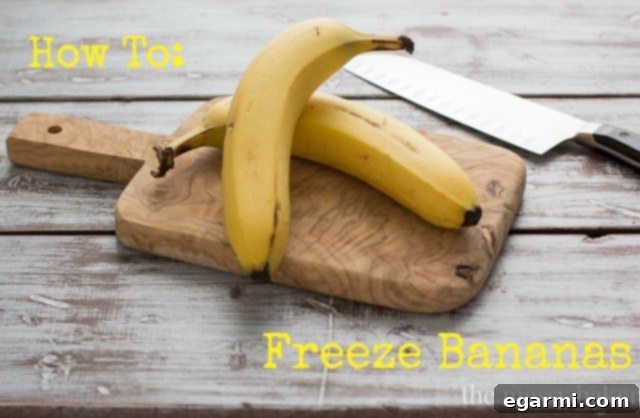
How to Perfectly Freeze Bananas: Your Ultimate Guide to Waste-Free Smoothies and Beyond
Ever find yourself staring at a bunch of overly ripe bananas on your kitchen counter, wondering if you’ll ever get to them before they turn completely brown? You’re not alone! Many of us face the dilemma of bananas ripening too quickly. But what if there was a simple, effective solution that not only prevents food waste but also elevates your smoothie game to an entirely new level? Enter the magic of freezing bananas.
Freezing bananas is a fantastic way to extend their shelf life, ensuring you always have a healthy, convenient ingredient on hand. It’s an indispensable trick for anyone who loves smoothies, bakes frequently, or simply wants to reduce food waste. In this comprehensive guide, we’ll walk you through the effortless process of freezing bananas, exploring why it’s a culinary game-changer and how you can make the most of your frozen fruit.
Why Freeze Bananas? More Than Just Preservation
The benefits of freezing bananas go far beyond merely saving them from the compost bin. This simple act unlocks a world of culinary possibilities and practical advantages for your daily routine.
1. Saving Overripe Bananas and Reducing Food Waste
One of the primary reasons to freeze bananas is to rescue those spotty, overripe fruits that are too soft for snacking but perfect for freezing. As bananas ripen, their starches convert to sugars, making them sweeter and easier to digest. Freezing stops this ripening process in its tracks, preserving that peak sweetness and preventing spoft spoilage. This practice is a champion for reducing household food waste, allowing you to use every banana you buy.
2. The Smoothie Game Changer: Achieve Perfect Creaminess Without Dilution
If you’re a smoothie enthusiast, frozen bananas are about to become your new best friend. Here’s why:
- No More Ice Dilution: When you use fresh, room-temperature fruit in a smoothie, you typically add ice to achieve that desired cold, thick consistency. The problem? As the ice melts, it dilutes your smoothie, weakening the flavor and making it watery.
- Naturally Thick and Creamy: Frozen bananas provide the necessary chill and thickness without the need for additional ice. They blend into an incredibly creamy, full-bodied texture that fresh bananas simply can’t achieve on their own. This means a richer, more flavorful, and perfectly chilled smoothie every single time. Frozen fruit essentially acts as both your fruit and your ice, eliminating the trade-off between temperature and taste.
- Consistent Temperature: Using frozen fruit ensures your smoothie stays colder for longer, a welcome bonus on a hot day or for a leisurely breakfast.
3. Versatility for Various Culinary Creations
While smoothies are a popular destination for frozen bananas, their utility extends much further. They are an essential ingredient for “nice cream” (a dairy-free ice cream alternative), can be thawed and mashed for baking, or even enjoyed as a simple frozen snack.
4. Ultimate Convenience
Having a stash of frozen banana slices in your freezer means you’re always just moments away from a healthy snack or ingredient. No more waiting for bananas to ripen or rushing to use them before they spoil. It’s grab-and-go convenience at its best.
Choosing the Best Bananas for Freezing
The ideal bananas for freezing are those that are perfectly ripe, or even slightly overripe. Look for bananas with a few brown speckles on their skin. This indicates they’ve developed their full sweetness and flavor. Avoid freezing completely green bananas, as they haven’t developed their sugar content yet and won’t offer the same rich taste or creamy texture once thawed or blended. Bananas that are entirely black and mushy might be past their prime even for freezing, though they can still be used for baking if you don’t mind a very strong banana flavor.
Step-by-Step Guide: How to Perfectly Freeze Bananas
Freezing bananas is incredibly simple, requiring minimal effort and no special equipment. Follow these steps for perfectly frozen, non-clumping banana pieces every time.
Step 1: Preparation – Peel Your Bananas with Ease
Before freezing, it’s crucial to peel your bananas. Trying to peel a frozen banana is a frustrating and messy task. Simply remove the peel from each banana you intend to freeze. If you’re using slightly overripe bananas, the peel might come off even more easily.
Step 2: Slice for Success – Optimal Thickness for Freezing
While you can freeze whole peeled bananas, slicing them first is highly recommended. Slices are much easier to blend, provide better portion control, and freeze more quickly. Aim for thick rounds, about ½ to ¾ inch thick. This thickness is ideal for blending and prevents them from becoming too icy and difficult to process.
Step 3: Prevent Sticking – The Single Layer Freeze
This is a crucial step to prevent your banana slices from clumping together into one solid block. Line a baking sheet with parchment paper or wax paper. This prevents the bananas from sticking to the tray. Arrange the banana slices in a single layer, ensuring that no slices are touching each other. Spreading them out allows each piece to freeze individually, making them easy to grab just the amount you need later.
Step 4: The Initial Freeze – Getting Them Solid
Place the baking sheet with the banana slices into the freezer. Allow them to freeze completely, which typically takes about 2 to 3 hours. The goal here is to get them solid enough that they won’t stick together when transferred to a storage bag. You can leave them overnight if convenient.
Step 5: Long-Term Storage – Bagging for Freshness
Once the banana slices are fully frozen and hard, transfer them from the baking sheet into a freezer-safe, airtight bag or container. Squeeze out as much air as possible from the bag before sealing to prevent freezer burn. Label the bag with the date of freezing so you can keep track of freshness. Your individually frozen banana pieces are now ready for long-term storage.
Beyond Smoothies: Creative Uses for Your Frozen Bananas
While often associated with smoothies, frozen bananas are incredibly versatile and can be used in a myriad of delicious ways:
- Banana “Nice” Cream: Blend frozen banana slices in a food processor or high-speed blender until smooth and creamy for a healthy, dairy-free soft-serve ice cream. Add other fruits, cocoa powder, or nut butter for flavor variations.
- Baking Masterpiece: Thaw frozen bananas (they’ll be soft and mushy, which is perfect) and use them in recipes for banana bread, muffins, pancakes, or waffles. Their intense sweetness means you might even be able to reduce the amount of added sugar in your recipes.
- Frozen Bites: Dip frozen banana slices in melted chocolate and sprinkle with nuts for a delightful, guilt-free treat.
- Thickening Agent: Add a few frozen banana slices to oatmeal, yogurt, or overnight oats for extra creaminess and natural sweetness.
Tips for Storing and Thawing Frozen Bananas
- Storage Duration: Properly stored, frozen banana slices will maintain their quality for up to 3-6 months. Beyond that, they might start to develop freezer burn, which can affect flavor and texture.
- Preventing Freezer Burn: Always use airtight containers or freezer bags, and try to remove as much air as possible before sealing. This is key to preventing ice crystals and maintaining quality.
- Thawing for Baking: If you need mashed bananas for baking, simply place the desired amount of frozen slices in a bowl and let them thaw in the refrigerator overnight or on the counter for a few hours. They will release some liquid, which you can either drain or incorporate into your recipe, depending on the desired consistency.
- Using Frozen Directly: For smoothies and “nice cream,” always use the bananas directly from the freezer without thawing for the best cold and creamy results.
Common Questions About Freezing Bananas
Can I freeze whole bananas with the peel on?
Technically, yes, but it’s not recommended. Freezing bananas with their peel on makes them incredibly difficult to peel once frozen. The peel will turn black and cling to the fruit, making it a frustrating experience. Always peel them first!
Do frozen bananas turn brown?
Yes, the flesh of frozen bananas may turn slightly brown or grayish, especially if exposed to air. This is a natural oxidation process and does not affect their safety or flavor for blending into smoothies or baking. The taste remains sweet and delicious.
How ripe should bananas be for freezing?
Bananas with brown spots are ideal. They are at their peak sweetness and will contribute the best flavor and texture to your recipes. Green bananas are not recommended as they lack sweetness and won’t have the desired creamy consistency when frozen.
Conclusion: Embrace the Frozen Banana Lifestyle
Freezing bananas is a simple, effective, and economical habit that will revolutionize your approach to healthy eating and food preservation. It’s an effortless way to ensure you always have a sweet, nutritious ingredient ready for your next culinary adventure, whether it’s a vibrant morning smoothie or a comforting loaf of banana bread.
Start embracing the frozen banana lifestyle today! This tutorial will be incredibly useful for the delicious smoothie recipes we’ll be sharing later this week. If you have any questions or clever uses for frozen bananas, please don’t hesitate to share them in the comments below or reach out via email. Happy freezing!