
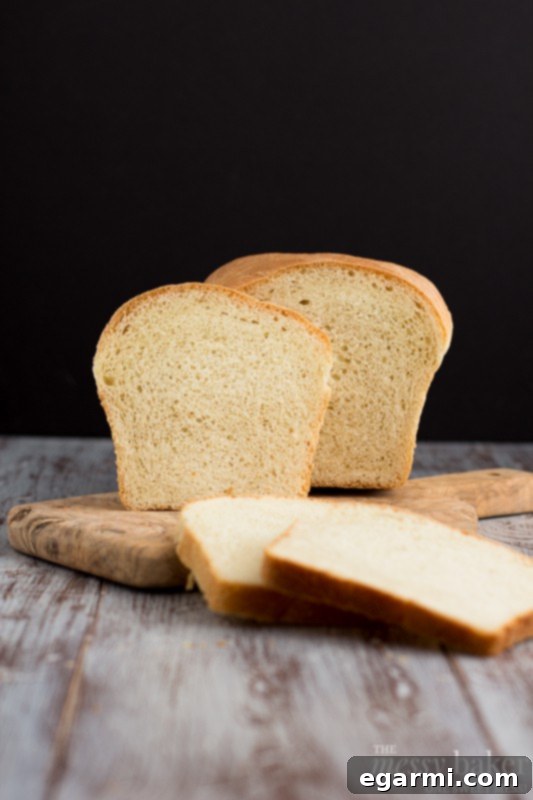
Can you smell the rich, comforting aroma of freshly baked bread filling your home?
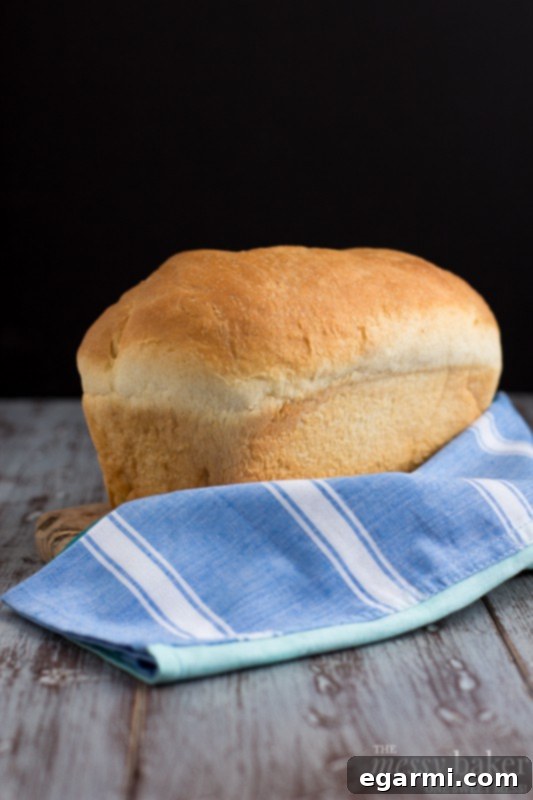
The Irresistible Aroma of Homemade Bread: A Journey Through Family Tradition and Baking Triumphs
There are few experiences as universally comforting and deeply satisfying as baking homemade bread. That distinct, warm aroma, a blend of earthy yeast, subtle sweetness, and wholesome grain, truly transforms a house into a home. From the moment the yeasty dough first touches your hands, promising a delightful transformation, to the sweet, tangy notes that gently creep from the oven as the crust deepens to a golden perfection, every step in the bread-making process is an invitation to a sensory journey. This isn’t merely about creating food; it’s about crafting warmth, fostering connection, and embracing a timeless tradition that brings immense joy and nourishment.
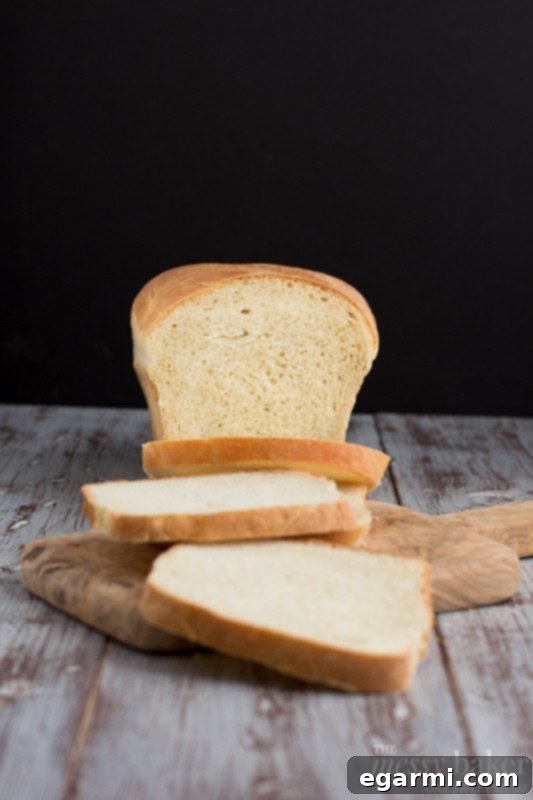
A Legacy Kneaded with Love: Generations of Bakers
My own deep-seated passion for bread baking isn’t just a hobby; it’s a cherished inheritance. I come from a long, proud lineage of female bread bakers, each generation passing down not just recipes, but the very spirit of baking. Their hands, weathered by time and flour, shaped more than just dough; they shaped memories, traditions, and an enduring love for the craft. This culinary heritage has profoundly influenced my approach to food, instilling in me a reverence for simple ingredients and the magic they can create.
The Culinary Creations of My Great-Grandmothers
On my mother’s side, my great-grandmother was renowned for her incredible dill bread, a savory, aromatic loaf that was a staple at every family gathering. Its herbaceous notes and tender crumb were simply unforgettable. She also crafted a legendary poppy seed loaf, so generously stuffed with seeds that each slice was a delightful challenge, threatening to burst at the seams. After indulging in a piece, we’d playfully inspect each other’s teeth for any lingering evidence of our delightful transgression.
Across the family tree, my great-grandmother on my father’s side, a true daughter of the South, was a master of buttermilk biscuits. Folks in the South, as anyone knows, possess an innate understanding of what makes a perfect biscuit—flaky, tender, and impossibly light. I vividly recall a trip to Virginia for a family funeral after her daughter, my great aunt, passed away. The very next morning, I awoke to the rhythmic sound of her churning out batch after batch of biscuits at an astonishing speed. Her biscuit cutter moved so rapidly it was a blur, a mesmerizing display of practiced artistry that remains etched in my memory. It wasn’t just food; it was a testament to resilience, comfort, and the enduring power of family traditions.
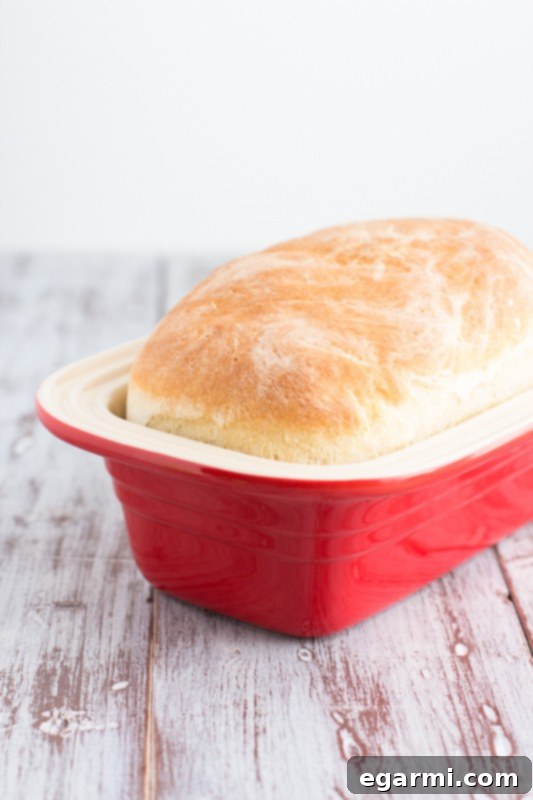
Grandmom’s Guiding Hands: The Art of Dinner Rolls
The art of bread making was further refined in my paternal grandmom’s kitchen. Having learned from her own Southern mother, her famous dinner rolls were a childhood marvel. With an inherent passion for baking already bubbling within me, I would often perch myself on a stool at the kitchen island, a silent observer to where all the culinary magic unfolded. I watched her every deliberate movement as she described the process, methodically kneading and twisting the dough between her nimble fingers, shaping each roll into a perfectly smooth, uniform ball. It was here I learned invaluable lessons: her preference for shortening over butter when greasing the cast iron pan for baking, ensuring a unique crust and flavor. And, perhaps most critically, the cardinal rule of bread baking: “Never scald the milk; it’s an inexcusable mistake that will ruin your yeast.” This simple yet profound piece of advice became a cornerstone of my own baking philosophy.
My Father’s Persistent Pursuit: The Battle of the Bread
While I absorbed these invaluable lessons from the matriarchs, I also grew up observing my father’s valiant, albeit often misguided, attempts at bread making. His early endeavors were famously marked by consistently scalding the milk, a mistake that, true to Grandmom’s warning, rendered his yeast inert. The results were predictably dense, more akin to hockey pucks than fluffy dinner rolls, providing an unfortunate, yet humorous, source of torture for our family’s dental health. For years, his bread could genuinely chip a tooth. Yet, his perseverance was unwavering. Finally, after what seemed like an eternity of culinary mishaps, he achieved a measure of success… but not before a spectacular, unforgettable dough explosion.
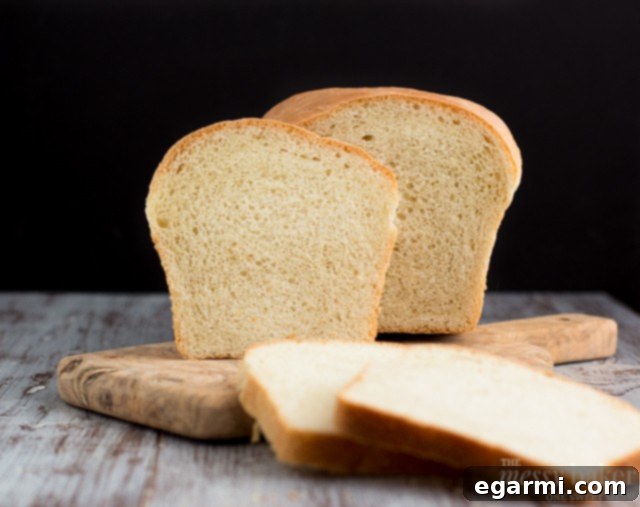
My dad and I share an ongoing, good-natured “battle of the bread.” Despite growing up with a mother who could make bread in her sleep, he struggled to truly grasp the nuances of the process. Then, I entered the competitive arena: his ever-determined daughter. What he didn’t realize at the time was that I would grow into someone utterly obsessed with food and, perhaps more potently, relentlessly competitive. Every culinary endeavor became a friendly challenge. He taught me to make pie crust at a young age, a skill I’ve since honed to the point where, I’ll confidently say, I now make the better pie crust.
After a few years, the tables decisively turned. I transitioned from eager student to patient teacher, and he became my earnest, if sometimes stubborn, student. Something had to be done about his consistently inadequate loaves of bread. Honestly, the family had suffered enough through his dense creations.
However, my dad, being a notoriously sneaky man, decided to go behind my back. He sought private lessons from the ultimate master herself: my Grandmom, his mother. This secret apprenticeship, designed to improve his bread-making skills without my oversight, ultimately led to the legendary “Great Dough Explosion.”
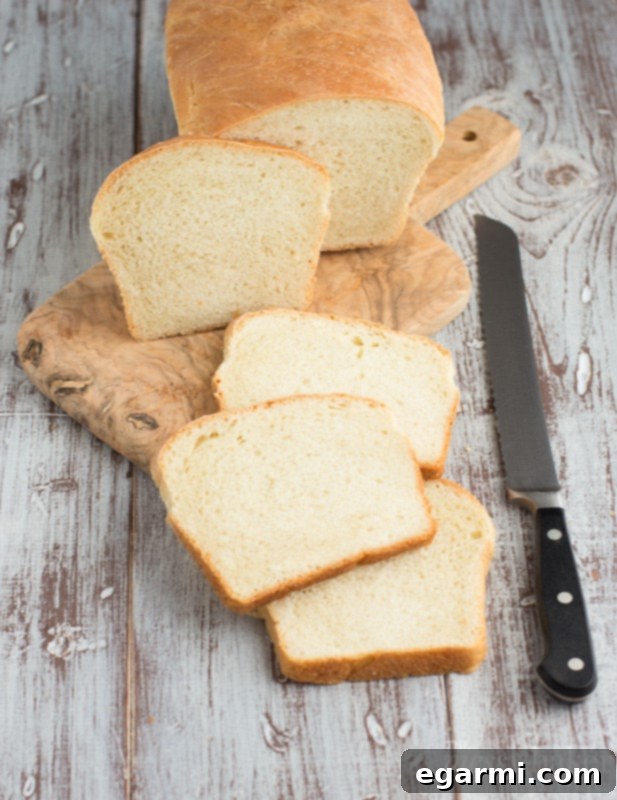
The Great Dough Explosion: A Humorous Lesson in Yeast
I wasn’t supposed to know about The Great Dough Explosion. My dad, however, is arguably the worst secret keeper alive, a trait that often leads to amusing revelations. I stumbled upon the undeniable evidence tucked away in the freezer: a frozen dish rag, strangely stiff and covered with a mysterious, petrified substance.
Me: “Hey, Mom, what’s up with this frozen rag?”
Mom: “Oh, your dad blew up the…”
Me: “I’m sorry, I didn’t quite catch that last part. Dad blew up what, exactly?”
Mom: “Well, I wasn’t supposed to tell you. He blew up the dough, Jennie. You should have seen it! The dough looked like something out of a science fiction movie; it was oozing over the sides of the bowl, expanding everywhere.”
Me: “*runs out the back door, collapsing in laughter*”
I couldn’t contain my laughter any longer. The image of this epic baking catastrophe was just too much. I absolutely had to find the man responsible for The Great Dough Explosion and hear the full, glorious details. As it turned out, in an attempt to make a smaller batch, he had cut the bread recipe in half, but crucially, forgot to do the same with the yeast. The result was a veritable yeast party, an unstoppable, expanding force that humorously conquered his kitchen. And just like that, I was no longer concerned about his inadequate bread; this story was far too good!
Essential Tips for Baking the Perfect Loaf of Bread
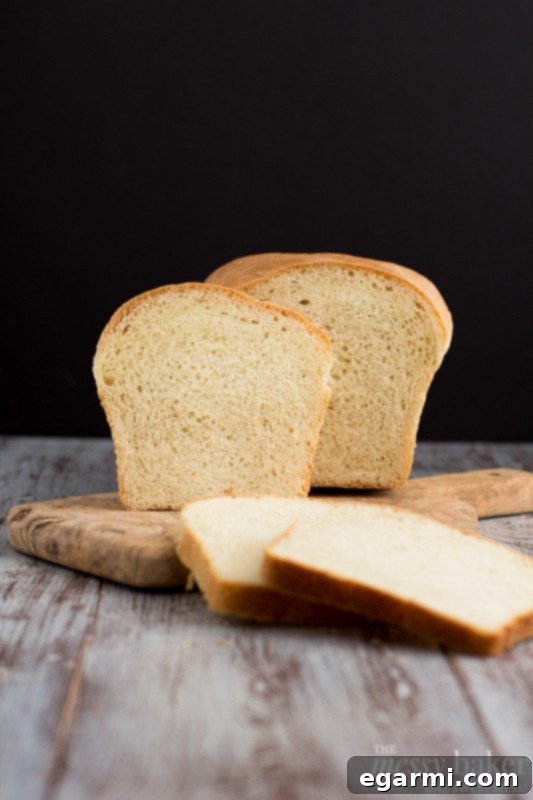
My dad’s memorable mishap offers a crucial lesson for any aspiring bread baker. To bake a truly successful loaf of bread, avoiding common pitfalls is key. Here are some essential tips to guide you on your baking journey, ensuring your bread is fluffy, flavorful, and perfectly risen:
1. The Golden Rule of Yeast: Mind the Milk Temperature
This is perhaps the most critical rule, directly from my Grandmom and reinforced by my dad’s “dough explosion.” You must never scald the milk. Yeast is a living organism, and like any living thing, it thrives within a specific temperature range. The ideal temperature for activating yeast is typically between 105 and 115 degrees Fahrenheit (40-46 degrees Celsius). If the milk is too hot, exceeding about 120 degrees F, it will kill the yeast, rendering it inactive. Dead yeast means your dough won’t rise, resulting in a dense, hard “loser loaf of bread,” as my dad can attest. A good test: if the milk is too hot to comfortably keep your finger in it for more than a few seconds, it’s too hot for the yeast. If your milk accidentally comes to a boil, you must start over again with fresh, properly heated milk. Patience here is paramount.
2. Accurate Measuring: The Foundation of Good Bread
Baking is a science as much as an art. Precise measurements, especially for flour and liquid, are crucial. Using a kitchen scale for flour is highly recommended for accuracy, as scooping directly with a measuring cup can pack in too much flour. Too much flour leads to dry, dense bread, while too little can make your dough too sticky to handle.
3. Kneading for Gluten Development: The Key to Structure
Kneading is what develops the gluten in your flour, creating the elastic network that traps the gases produced by the yeast, allowing your bread to rise beautifully. Whether by hand or with a stand mixer, knead until the dough is smooth, elastic, and passes the “windowpane test” (you can stretch a small piece thin enough to see light through it without tearing). Proper kneading ensures a tender, chewy crumb.
4. Proofing: The Art of Rising
After kneading, your dough needs time to rise, or “proof.” Place it in a lightly oiled bowl, covered with plastic wrap or a clean kitchen towel, in a warm, draft-free spot. The first rise allows the yeast to work its magic, doubling the dough in size. The second rise, after shaping, further develops flavor and texture. Don’t rush this process; patience will be rewarded with a light, airy loaf. To check if your dough is adequately proofed, gently press two fingers into the dough; if the indentations remain, it’s ready.
5. Oven Temperature and Baking Environment
Preheating your oven completely is vital. A consistent oven temperature ensures even baking and a good crust. Some recipes call for introducing steam into the oven during the initial baking phase, which helps create a beautiful, crispy crust. Using a baking stone or a Dutch oven can also contribute to a superior crust and overall bake.
The Unbeatable Benefits of Baking Homemade Bread
Beyond the delightful aroma and the satisfaction of creation, baking your own bread offers numerous tangible benefits:
- Superior Taste and Freshness: Nothing compares to the flavor and texture of a loaf fresh from the oven, still warm and fragrant.
- Healthier Choice: You control every ingredient, avoiding preservatives, artificial additives, excessive sugar, or unhealthy fats often found in commercial breads.
- Cost-Effective: Basic ingredients for bread are inexpensive, making homemade bread a budget-friendly alternative to artisanal bakery loaves.
- Therapeutic Experience: The process of kneading, watching the dough rise, and the anticipation of the final product can be incredibly calming and meditative.
- Sense of Accomplishment: There’s a unique pride in pulling a perfectly baked loaf from your own oven, knowing you created it from scratch.
- Aromatherapy for Your Home: The scent of baking bread alone is enough to boost spirits and create a welcoming atmosphere.
- Family Connection: It’s a wonderful activity to share with family, teaching valuable skills and creating lasting memories, much like my own family traditions.
Embark on Your Own Bread Baking Adventure!
Baking bread is a journey, an ancient practice that connects us to our roots and provides immense satisfaction. Don’t be intimidated by the process, and certainly don’t let a few mishaps deter you – even seasoned bakers (and certainly my dad!) have their “dough explosion” moments. Every attempt, successful or not, is a valuable learning experience. Embrace the process, savor the aromas, and enjoy the delicious rewards.
For a reliable starting point, and to bake a delicious simple white bread that won’t result in any explosions, visit my detailed post over at Food Fanatic. It’s a fantastic recipe to begin your own homemade bread baking adventure.