
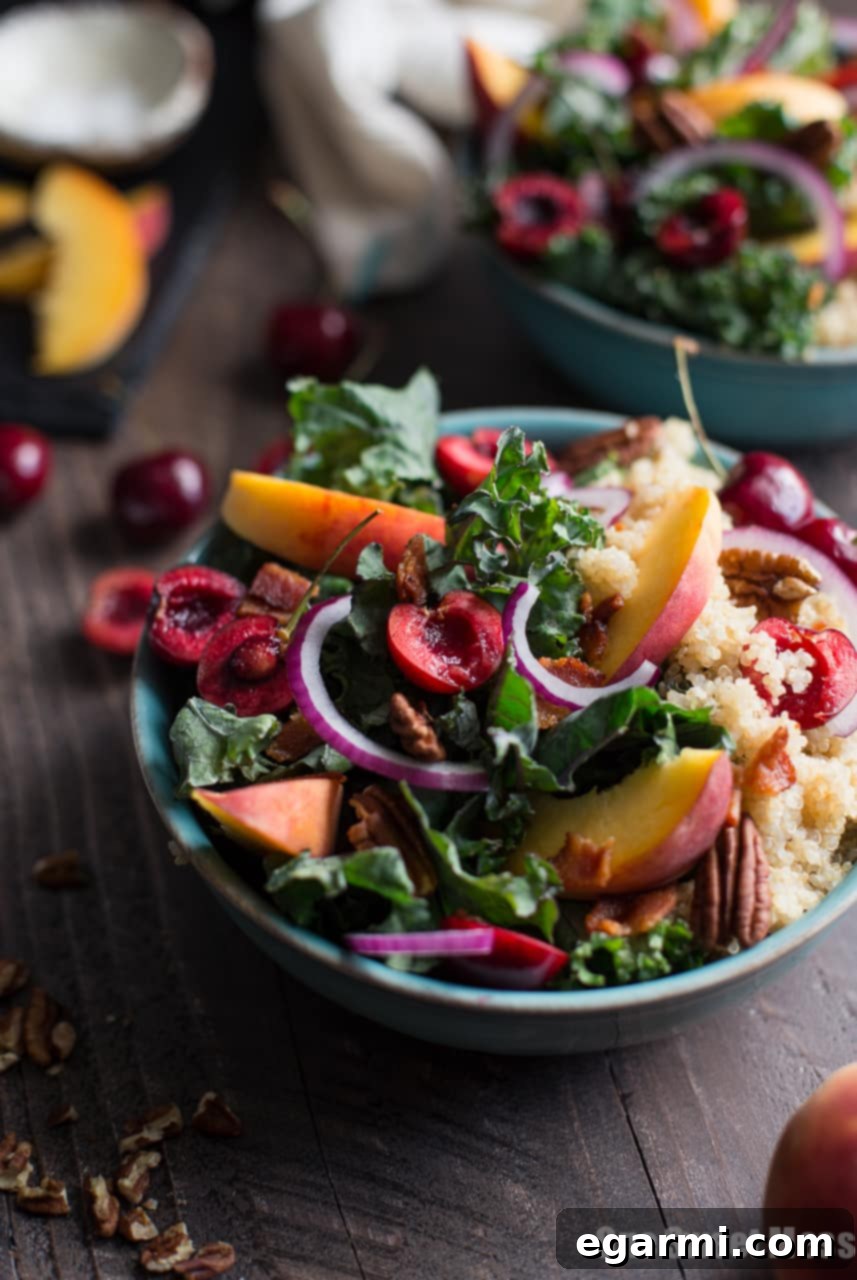
Savor the Season: Nourishing Summer Stone Fruit Kale and Quinoa Salad
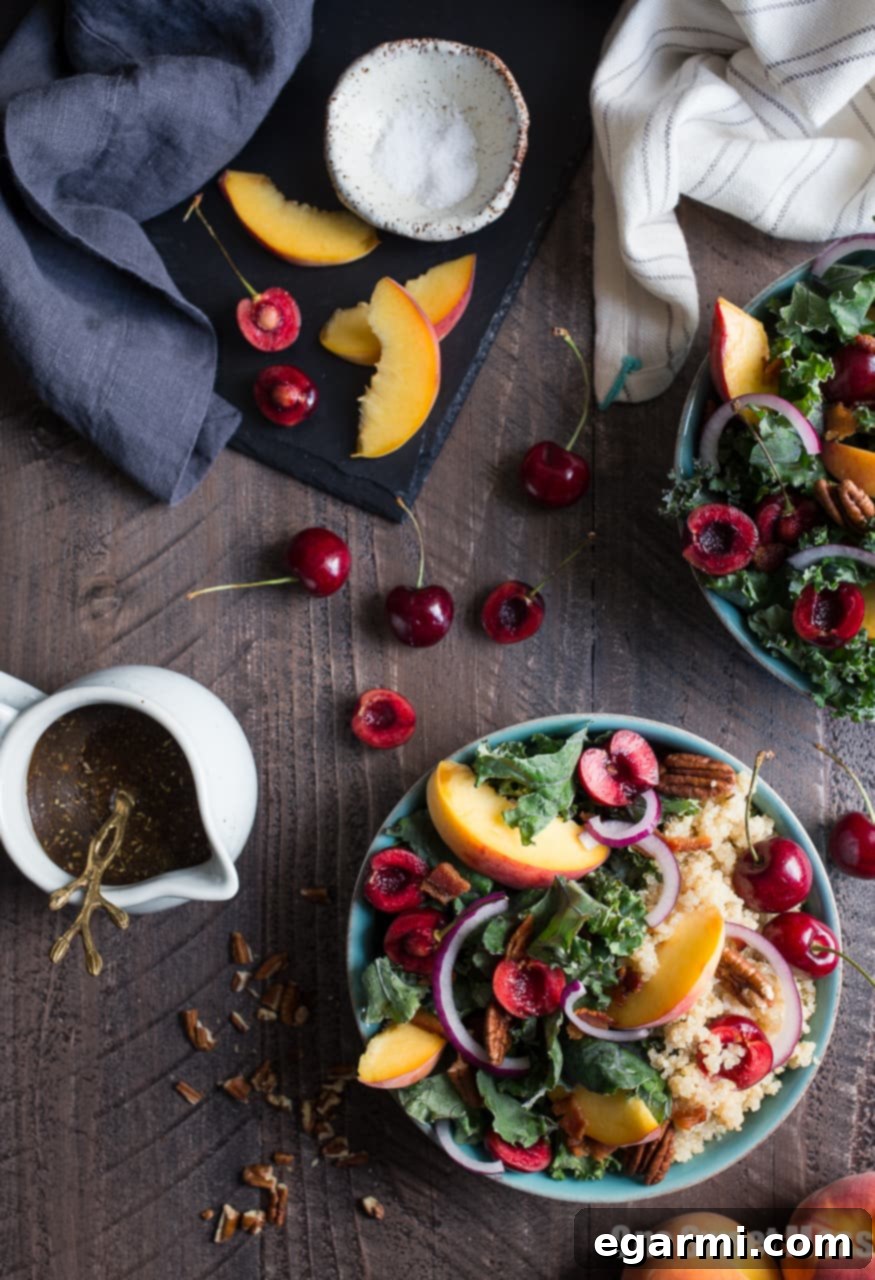
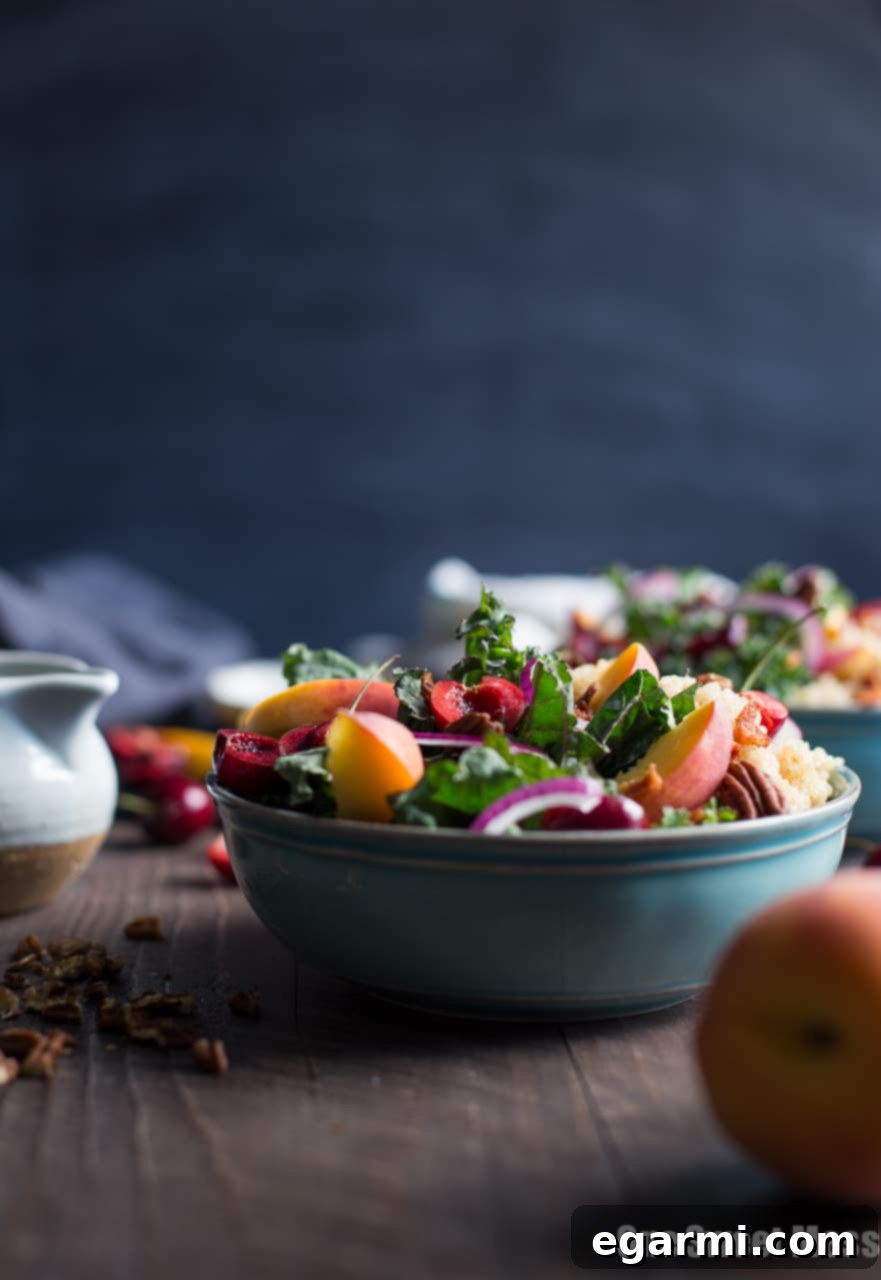
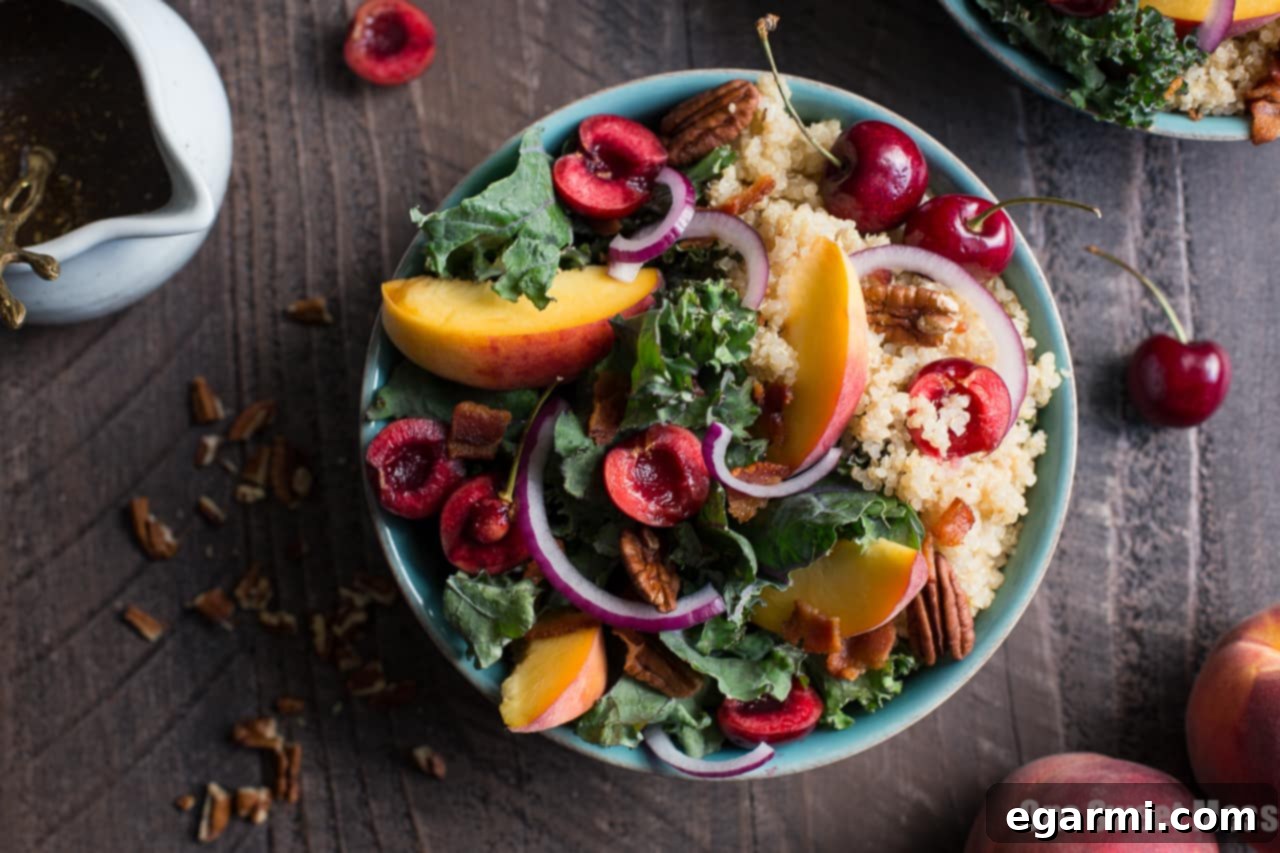
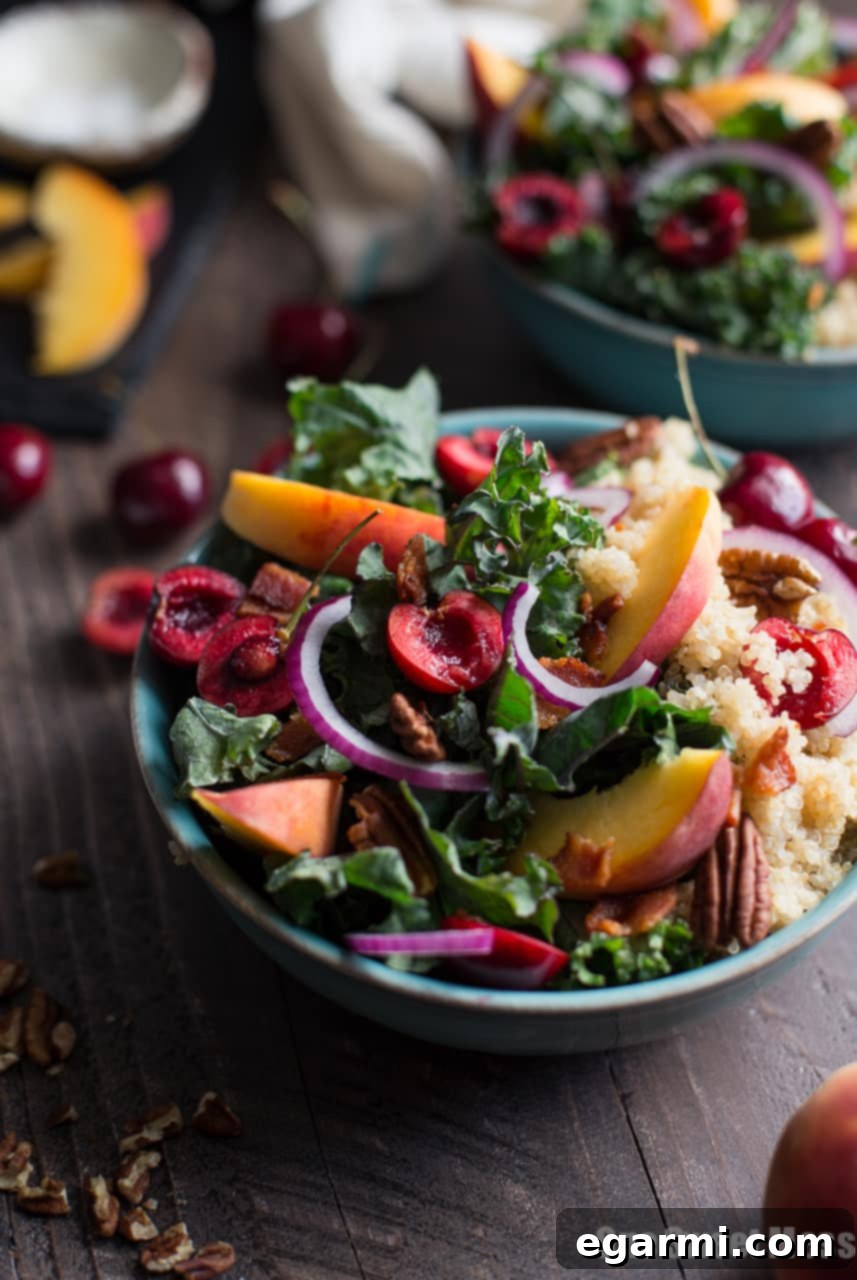
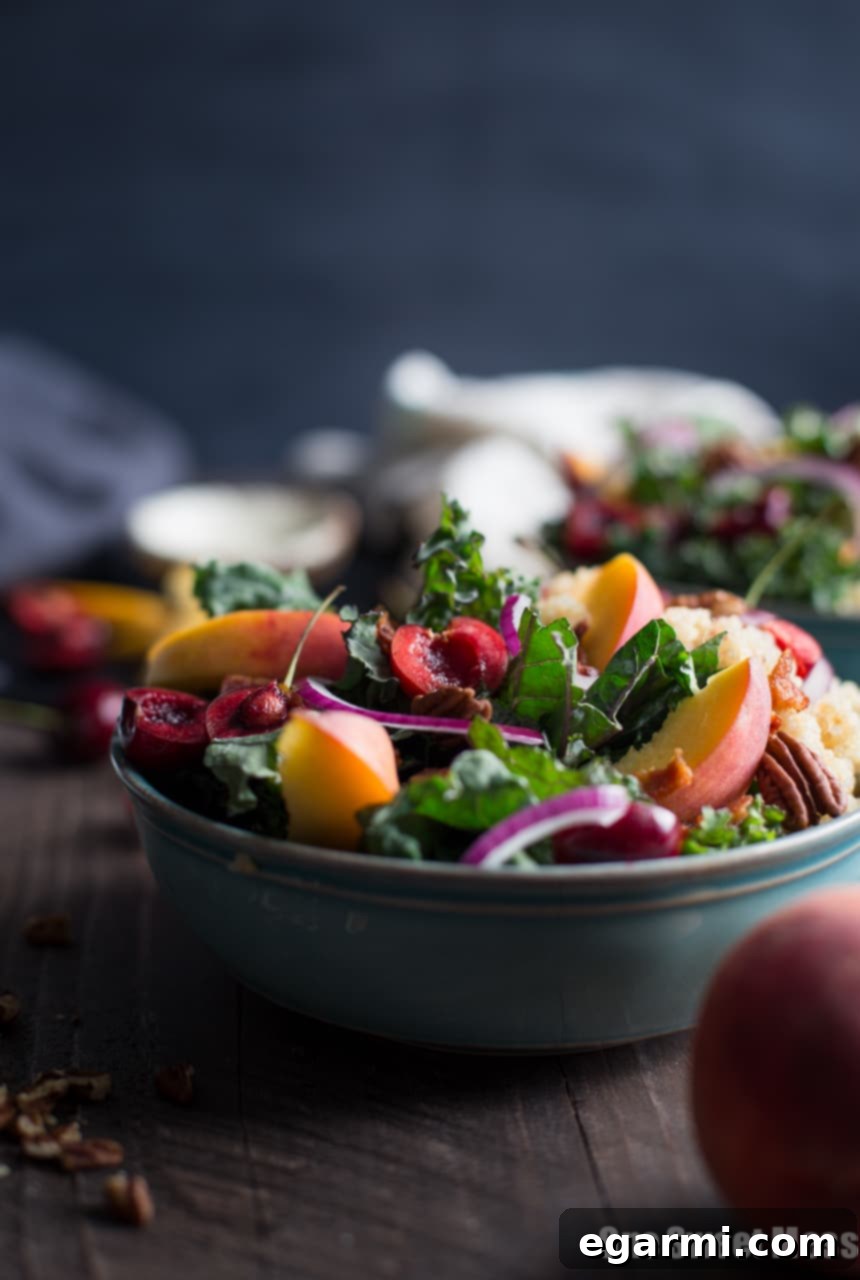
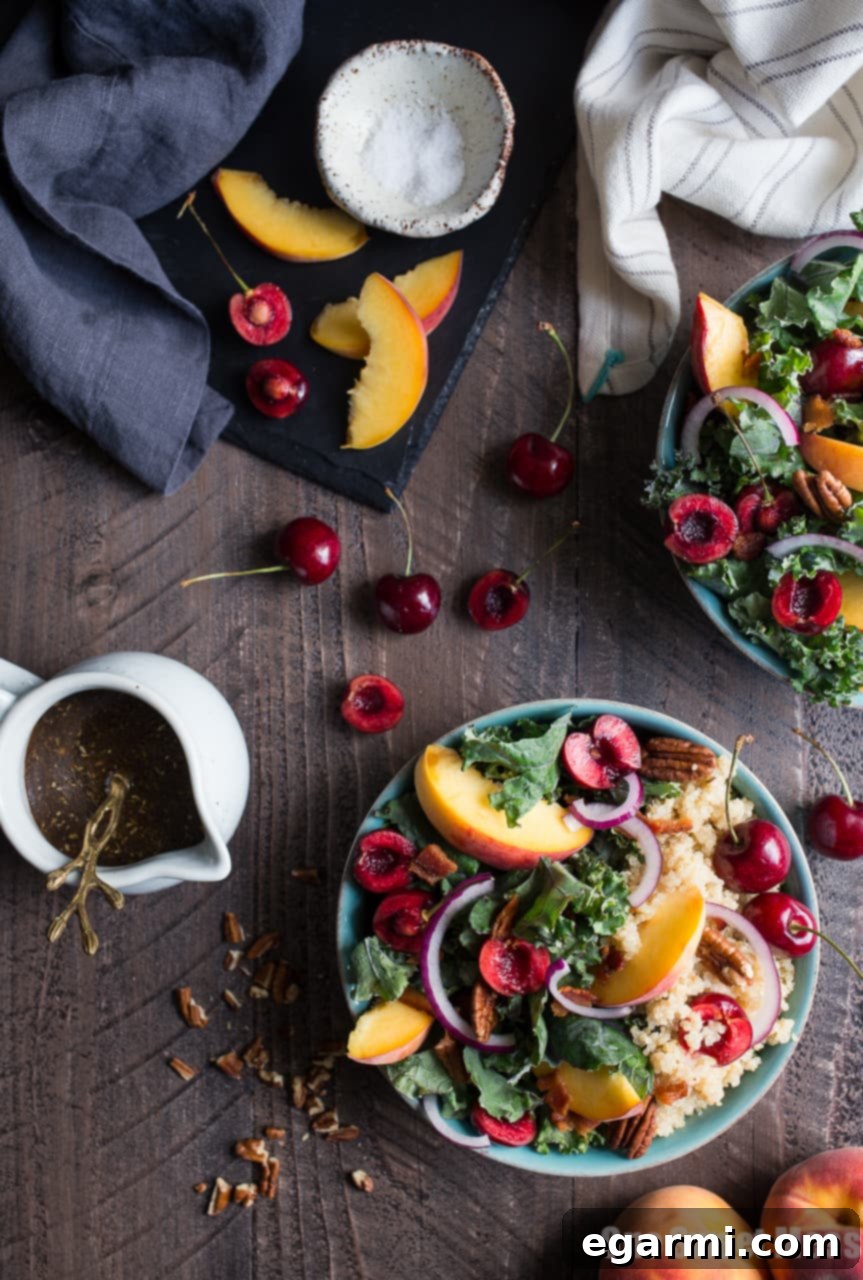
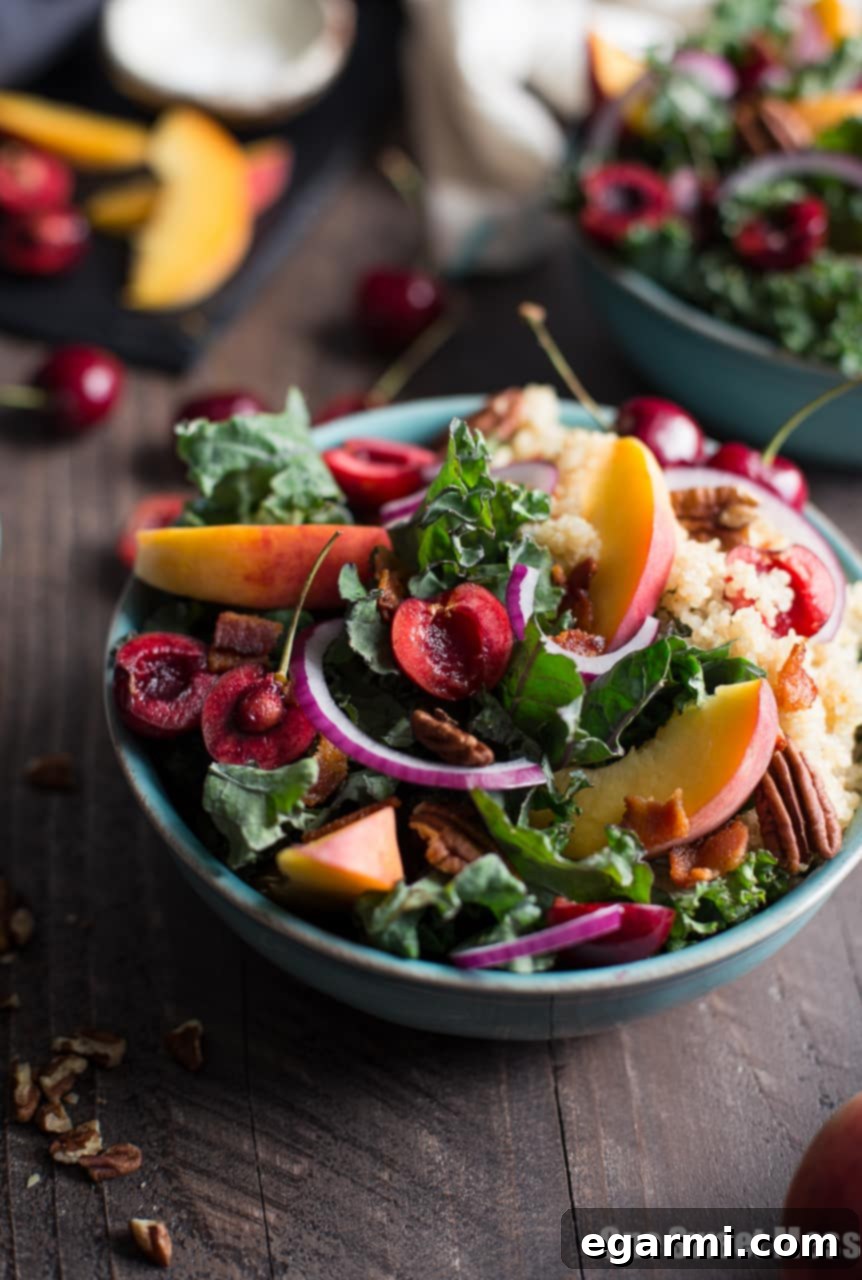
As summer unfolds, the bounty of nature graces our tables with vibrant colors and unparalleled flavors. This Summer Stone Fruit Kale and Quinoa Salad is a testament to healthy eating, celebrating the season’s finest produce while offering a delicious and satisfying meal. Loaded with succulent peach slices, sweet cherries, crunchy toasted pecans, and savory crispy bacon, this salad masterfully balances wholesome ingredients with irresistible taste. It’s a culinary journey that invites you for the freshness of the fruit and keeps you coming back for the delightful crunch of the bacon – a true symphony of summer flavors.
Embracing the Abundance of Seasonal Produce
There’s an undeniable magic in eating seasonally. Every visit to the local farmers’ market reveals a fresh tapestry of what’s currently thriving and at its peak ripeness. This commitment to seasonal ingredients isn’t just a trend; it’s a gateway to experiencing food at its absolute best. Tomatoes burst with a richer, juicier essence. Fruits, like the peaches and cherries in this salad, offer an unparalleled sweetness and aromatic depth. Carrots are tender, crisp, and packed with more flavor. The quality and nutritional value of produce harvested at its prime are simply unmatched, making every bite a celebration of nature’s perfect timing. Beyond the superior taste, choosing seasonal produce often means supporting local farmers and reducing your environmental footprint. It’s a win-win for your plate, your community, and the planet.
For many, the scorching heat of summer can be a challenge, yet the vibrant array of fresh produce makes it entirely worth enduring. The seasonal availability of ingredients inspires creativity in the kitchen, pushing us to experiment with light, refreshing, and nutrient-dense meals that complement the warmer weather. This focus on fresh, unprocessed foods has become an even greater priority for me, driven by a recent personal health journey.
My Journey with Candida: A Personal Health Revelation
My recent health struggles brought to light the profound connection between diet and overall well-being. What began as an unrelenting, migratory skin rash eventually revealed itself to be far more than a simple dermatological issue. Initially dismissed as a common heat rash, its persistent and spreading nature, particularly its migration to my mouth, signaled a deeper underlying problem: a significant food sensitivity. My dentist confirmed my suspicions, explaining that any infection or unusual symptom appearing in the mouth is often a key indicator of an ingested allergen or systemic imbalance.
Understanding Candida Overgrowth and Leaky Gut Syndrome
The medical term for my condition was candida. Candida is a form of yeast that naturally resides in the human body in small, balanced quantities, commonly found in the mouth, gut, and on the skin. However, problems arise when this natural yeast experiences an overgrowth, reproducing at an accelerated rate. If left unchecked, this excessive yeast can begin to compromise the integrity of the intestinal walls, leading to a condition known as leaky gut syndrome. In this state, undigested food particles, toxins, and yeast byproducts can leak into the bloodstream, triggering a cascade of inflammatory responses and various symptoms throughout the body. The implications of candida overgrowth extend beyond discomfort, potentially impacting nutrient absorption, immune function, and overall vitality.
The symptoms of candida overgrowth can be diverse and deeply unpleasant. For nearly two months, I endured a red, inflamed, irritated, and intensely itchy rash in the moist, often concealed pit regions under both arms. Yeast thrives in warm, moist environments, making areas like armpits, groin, natural body folds (elbows, knees), and the mouth prime locations for proliferation. The sheer discomfort and embarrassment of these symptoms significantly impacted my daily life, limiting social interactions and even simple activities. Topical antifungal and steroid creams provided some relief, but the rash’s migratory nature indicated a systemic issue that required more than just surface treatment.
Just when I thought the situation couldn’t worsen, the infection manifested on my tongue. A peculiar film-like sensation and a strange inability to fully perceive the back portion of my tongue prompted a closer inspection. What I discovered was alarming: my tongue was discolored and appeared disturbingly hairy. Initial panic and self-diagnosis via online research led me to the conclusion of “black hairy tongue,” a condition I learned is caused by an excessive buildup of yeast on the tongue’s surface. This overgrowth prevents the natural shedding of skin cells, leading to the characteristic hairy appearance, discoloration, and general unappealing texture. This specific symptom was the definitive moment when I understood that my health issues were unequivocally diet-related, not merely dermatological. It was a stark wake-up call, signaling that drastic changes were necessary.
Seeking Professional Confirmation and Ruling Out Other Conditions
To confirm my self-diagnosis and rule out any more severe conditions, I promptly scheduled an appointment with my dentist. Thankfully, my assessment of candida overgrowth was accurate. The dentist reiterated that oral manifestations of such issues are strong indicators of an ingestible sensitivity or allergen, distinguishing it from simple hygiene problems. We also discussed the possibility of uncontrolled diabetes contributing to yeast overgrowth. To be thorough, I had my primary care physician conduct tests, thankfully ruling out diabetes. While a definitive diagnosis like diabetes provides clear treatment paths, avoiding it was certainly a relief, allowing me to focus squarely on dietary modifications.
Dietary Transformations: A Path to Healing
Understanding that candida thrives on specific dietary components—namely sugar, dairy, wheat, yeast, and alcohol—necessitated a radical overhaul of my eating habits. These were all elements I had grown accustomed to and enjoyed over the years, making the transition challenging yet essential. I made an immediate and decisive cut to refined sugar and drastically reduced my overall natural sugar intake. Maple syrup became a carefully measured alternative in my morning coffee, and fruit consumption was limited. Dairy products were eliminated for several weeks, and alcohol was completely abstained from for a significant period. Gradually, I’m reintroducing small amounts of wine, carefully monitoring my body’s response.
My plate now predominantly features leafy greens, a fortunate development given my love for kale. Recipes like Kale, White Bean and Tuna Salad have become staples, and this Summer Stone Fruit Kale and Quinoa Salad has quickly joined the ranks of my go-to healthy meals. When grains are included, they are strictly whole grains and consumed sparingly. I’ve adopted a loose paleo/gluten-free framework for my diet, an approach that prioritizes whole, unprocessed foods. While a strict Whole30 attempt proved too challenging for my digestive system, the core principles of clean eating have remained central to my dietary philosophy.
The Power of Probiotics
A significant turning point in my recovery has been the daily incorporation of a high-quality probiotic supplement. Specifically, I chose Garden of Life’s Dr. Formulated Probiotics. Each capsule delivers an impressive 30 billion CFU of beneficial probiotics, derived from 14 diverse strains. This daily regimen has been instrumental in restoring balance to my gut microbiome, directly combating the candida overgrowth. Alongside the reduction of sugar, probiotics have offered the most substantial relief from my symptoms, marking a clear path toward sustained gut health and overall well-being.
Key Dietary Shifts for Candida Relief: A Holistic Approach
- Sugar Elimination & Reduction: I completely cut out refined sugars and significantly reduced all forms of natural sugars, including fruits, maple syrup, and honey. This starves the candida, preventing its proliferation.
- Mindful Alcohol Consumption: Alcohol feeds yeast, so reducing intake was crucial. I now limit myself to 1-2 moderate drinks per week, preferring wine or simple spirits like gin and tonic or vodka soda with citrus.
- Moderating Caffeine: Caffeine can stress the adrenal glands, which impacts the immune system. I switched from high-octane coffee to half-caffeinated options and strive to limit myself to one cup a day, a challenging but beneficial change.
- Wheat-Free & Gluten-Free Choices: Eliminating wheat and opting for gluten-free whole-grain alternatives reduces inflammation and supports gut healing.
- Lean Protein & Increased Vegetables: Prioritizing lean proteins and significantly increasing my daily vegetable intake ensures a nutrient-dense diet that supports detoxification and recovery.
- Daily Probiotic Supplementation: This has been a game-changer, actively repopulating the gut with beneficial bacteria to crowd out yeast and restore balance.
- Whole, Unprocessed Foods: My diet now centers entirely on real, unprocessed whole foods. I meticulously read ingredient labels, ensuring that everything I consume is free from hidden sugars, additives, and inflammatory components.
- Mindful Eating & Journaling: Paying close attention to how specific foods make me feel has been invaluable. Journaling my food intake and symptoms allows me to identify triggers and track progress, refining my diet for optimal health.
Introducing the Summer Stone Fruit Kale and Quinoa Salad
This space will now reflect my renewed commitment to health, featuring recipes focused on lean protein, whole grains, an abundance of vegetables, and natural sweeteners. This Summer Stone Fruit Kale and Quinoa Salad is a perfect representation of this new culinary direction. It’s a dish that doesn’t compromise on flavor while being incredibly healthy and supportive of a balanced lifestyle. Every component is thoughtfully selected to provide maximum nutritional benefit without sacrificing the pure joy of eating delicious food.
Key Ingredients for Optimal Health
Let’s delve into the powerhouse ingredients that make this salad not just delicious but incredibly nourishing:
- Kale: The Green Powerhouse
Often hailed as a superfood, kale is truly the superhero of leafy greens. It’s exceptionally high in fiber, essential for digestive health, and rich in Vitamins A and C, which are vital for immune function and skin health. Kale is also a great source of calcium for strong bones, omega-3 fatty acids for anti-inflammatory benefits, and a wealth of antioxidants that protect cells from damage. Its anti-inflammatory properties are particularly beneficial for those managing systemic inflammation. - Cherries: Sweetness with Anti-Inflammatory Benefits
Beyond their delightful sweetness, cherries are packed with vitamins, minerals, and a high concentration of antioxidants, especially anthocyanins, which give them their vibrant red hue. These compounds are well-known for their potent anti-inflammatory effects, making cherries a fantastic addition for reducing overall body inflammation and supporting recovery. - Peaches: A Mineral-Rich Delight
Juicy peaches bring a delicate sweetness and a host of minerals to this salad, including calcium, potassium, iron, magnesium, phosphorus, zinc, and copper. Their high alkaline content helps balance the body’s pH, while their significant fiber content promotes healthy digestion and satiety. Peaches are also a good source of vitamins A and C, contributing to skin health and immune support. - Quinoa: The Complete Protein Grain
Quinoa, a pseudocereal, is a highly valued whole grain that stands out for its exceptional nutritional profile. It’s a complete protein, meaning it contains all nine essential amino acids, making it an excellent plant-based protein source. High in fiber, quinoa aids digestion, helps regulate blood sugar, and promotes a feeling of fullness. Furthermore, it’s a good source of iron, potassium, and magnesium, critical minerals for energy production, nerve function, and bone health. Best of all, quinoa is naturally gluten-free, making it suitable for those with sensitivities or on gluten-free diets.
All these incredible ingredients come together in one bowl, creating a truly wholesome and satisfying meal.
The Perfect Dressing: Maple Balsamic Vinaigrette
To tie all these wonderful flavors together, the salad is dressed with a simple yet exquisite Maple Balsamic Vinaigrette. This dressing has quickly become my go-to for all greens due to its perfect balance of sweet and tangy notes. It’s paleo-friendly, naturally sweetened with maple syrup (used sparingly to keep sugar content low), and bursts with robust flavor, elevating the entire salad experience without adding unnecessary refined ingredients.
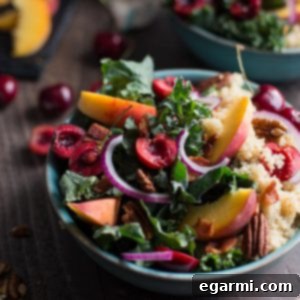
Summer Stone Fruit Kale and Quinoa Salad
1
serving
10
mins
10
mins
Pin
Ingredients
Maple Balsamic Vinaigrette
- ¼ cup balsamic vinegar
- 2 teaspoons maple syrup
- 1 teaspoon dijon mustard
- ¼ teaspoon worcestershire sauce
- ½ teaspoon kosher salt
- ¼ teaspoon black pepper
- ¼ teaspoon dried basil
- ¼ teaspoon Italian seasoning
- ¼ cup olive oil
Salad
- 2 cups chopped kale
- ½ cup cooked quinoa
- 6 cherries, pitted and cut in half
- ½ peach, sliced
- Red onion, thinly sliced
- ¼ cup cooked bacon, crumbled
- 2 tablespoons chopped toasted pecans
Instructions
-
In a small bowl, combine all vinaigrette ingredients. Whisk thoroughly to combine. Season with salt and pepper to taste. Transfer to an airtight container or mason jar and store in the refrigerator until ready to use. The dressing will stay fresh for up to 7 days.
-
Combine all salad ingredients in a large mixing bowl. Season with salt and pepper, then toss gently to combine everything. Serve immediately with the Maple Balsamic Vinaigrette.
Jennie / One Sweet Mess
Whipping up one of my recipes? I’d love to hear about it! Snap a photo of your creation and tag @onesweetmess and use the hashtag #onesweetmess on Instagram or Twitter. Seeing your delicious dishes come to life truly brightens my day!